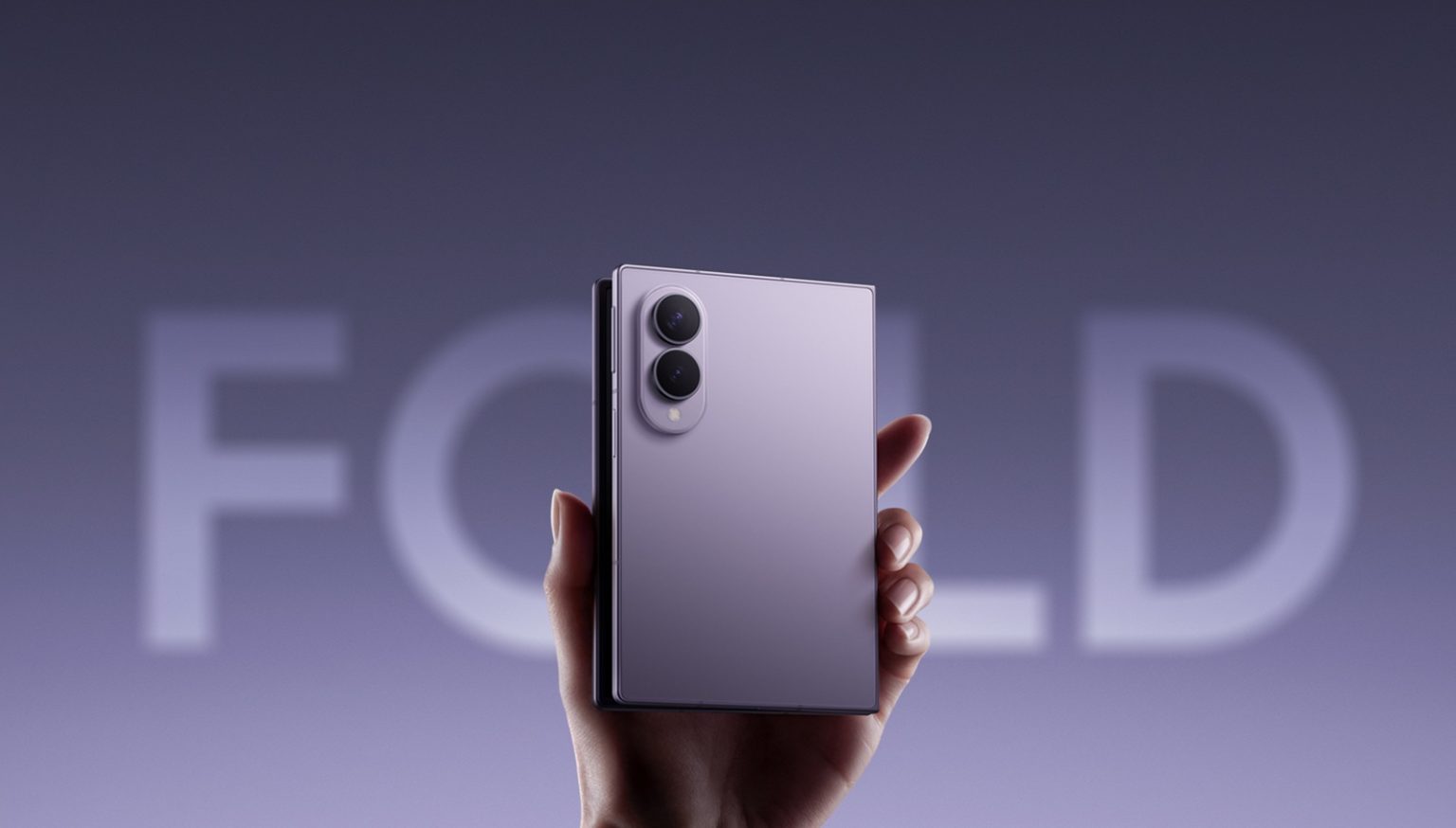
Samsung is making a familiar pitch with unfamiliar hardware: the foldable phone should no longer feel like an experiment.
The company unveiled the Galaxy Z Fold8 and Galaxy Z Fold8 Ultra at a Galaxy Unpacked event in London on Wednesday, adding two book-style foldables to a category it has spent seven years trying to normalize. Dave Das, executive vice president of mobile experience at Samsung Electronics America, said foldables now have “millions of users in the U.S. alone, and tens of millions globally.”
The Fold8 Ultra starts at $2,099 and is 4.1 millimeters thick when unfolded, making it Samsung’s thinnest Z Fold model so far. It has a 6.5-inch screen when opened, a larger battery, and a camera setup led by a 200-megapixel wide sensor.
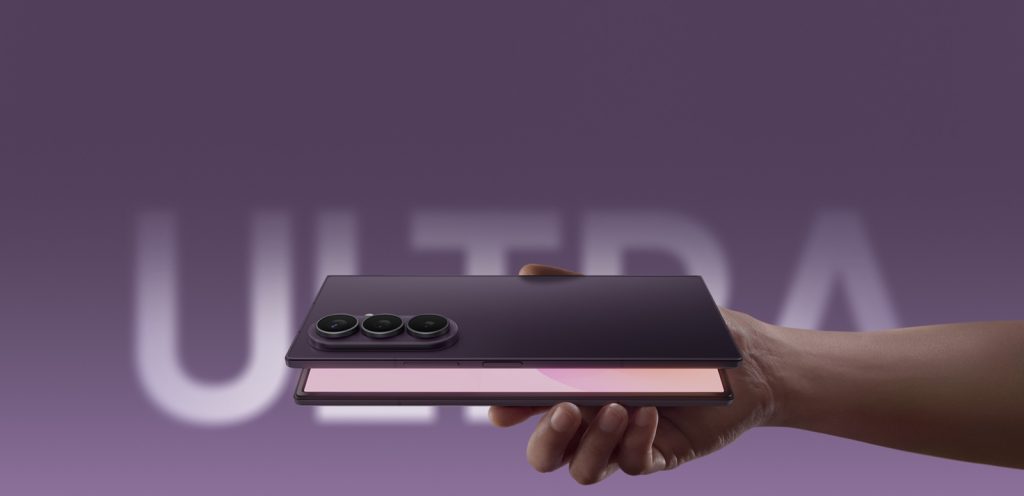
The standard Galaxy Z Fold8 starts at $1,899 and weighs 7.16 ounces. Closed, it has a 5.5-inch display. Opened, it expands into a 7.6-inch screen with a 4:3 aspect ratio that Samsung is pitching for media and everyday use.
Both models use a new display structure with a thin titanium film and titanium plate beneath the screen. Das said the design increases durability and enables “a creaseless experience,” though the phones have not yet been widely tested by consumers.
The development could affect how buyers think about premium phones. Samsung is asking customers to see a Fold8 not only as a phone upgrade, but as a device that can replace both a flagship handset and a small tablet.
Price remains the obstacle. Das pointed to advanced display technology and higher RAM costs linked to AI data-center demand, while also saying financing and promotions can soften the initial cost.
Samsung may soon face a bigger test. Apple is widely expected to enter the foldable market later this year, and Das said Samsung “always welcomes competition.