

Keir Starmer’s resignation has thrown Britain’s planned July reset with the European Union into doubt, just weeks before London and Brussels were due to meet over trade, energy and youth mobility.
Starmer said on Monday that he would step down as Labour Party leader but stay on as caretaker prime minister until a successor is chosen. The leadership process is expected to begin in July, with a new leader in place by September at the latest.
“Every decision I have taken has been about putting the country I love first. That is why I will resign as leader of the Labour Party,” Starmer said outside 10 Downing Street.
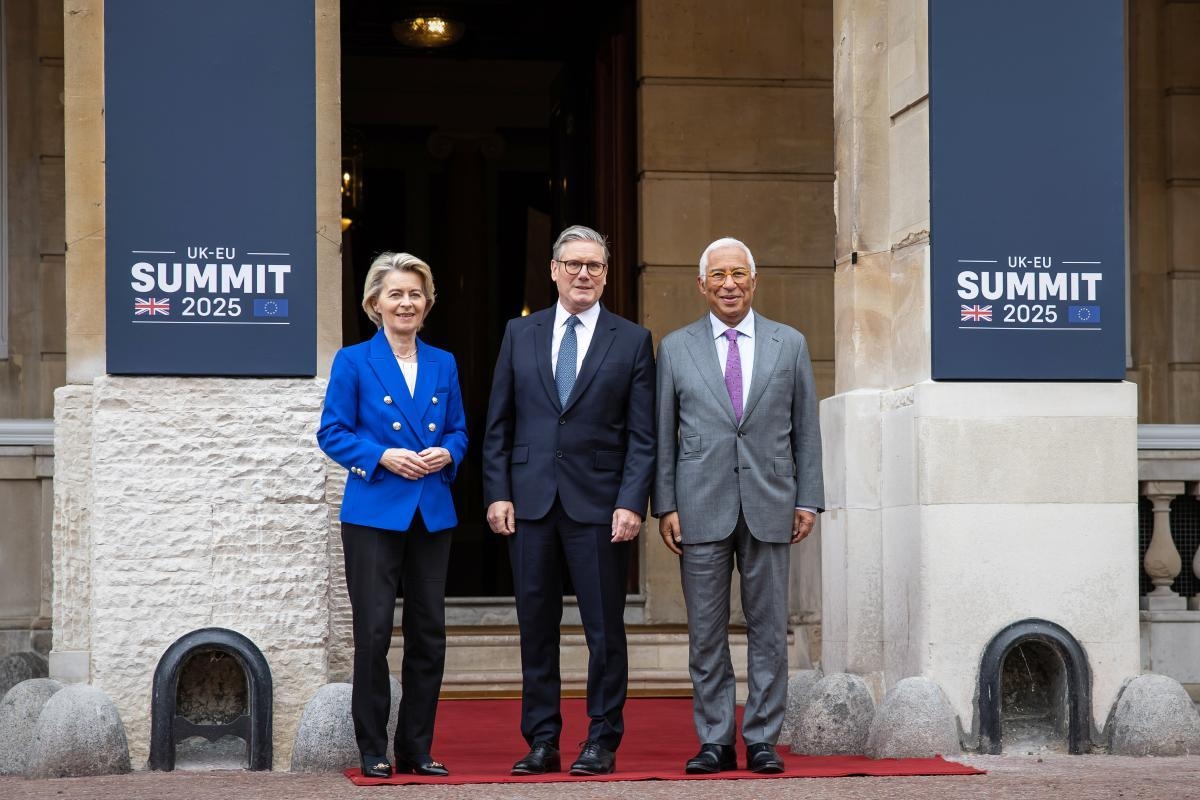
The timing immediately reached Brussels. The EU and UK had been preparing for a July 22 summit, the second such meeting since Britain left the bloc. Starmer had made repairing post-Brexit ties a central part of his government’s agenda.
European Commission chief spokesperson Paula Pinho said Brussels was reviewing whether the meeting should still go ahead. “We are re-assessing with (European Council) President Costa and the UK the opportunity of still holding the summit as had been announced last week and we will take it from here,” she said.
The summit had been expected to cover closer trade links, electricity market integration and youth mobility. Its date was confirmed last week during talks between Starmer, European Commission President Ursula von der Leyen and European Council President António Costa at the G7 summit in France.
Andy Burnham, the former mayor of Greater Manchester, is seen as a leading contender to replace Starmer after returning to parliament. Burnham called for an “orderly and responsible” transition and said: “I will put myself forward as part of this process.”
Reform UK leader Nigel Farage demanded a general election, while von der Leyen praised Starmer’s work on European security. “European and Ukrainian security is stronger because of you,” she said.