For years, discussions about global security have revolved around familiar names. China. Russia. Iran. North Korea.
Every new crisis seems to reinforce the belief that the world is becoming more dangerous because rival powers are becoming more aggressive. There is certainly truth in that argument. Russia invaded Ukraine. China continues to expand its military influence across the Indo-Pacific. Tensions in the Middle East remain volatile. Military spending is rising almost everywhere.
Yet focusing only on rival powers risks missing a deeper and potentially more troubling reality.
The greatest danger facing the world today may not be the ambitions of individual countries. It may be the gradual weakening of the institutions, norms and mechanisms that once helped prevent crises from spiraling into larger conflicts.
For most of the period following World War II, the international system was far from perfect. Wars occurred. Rivalries persisted. Great powers competed. But there were also guardrails. There were forums for dialogue. There were institutions designed to manage disputes. There were diplomatic channels capable of reducing tensions before they became disasters.
Those guardrails are increasingly showing signs of strain.
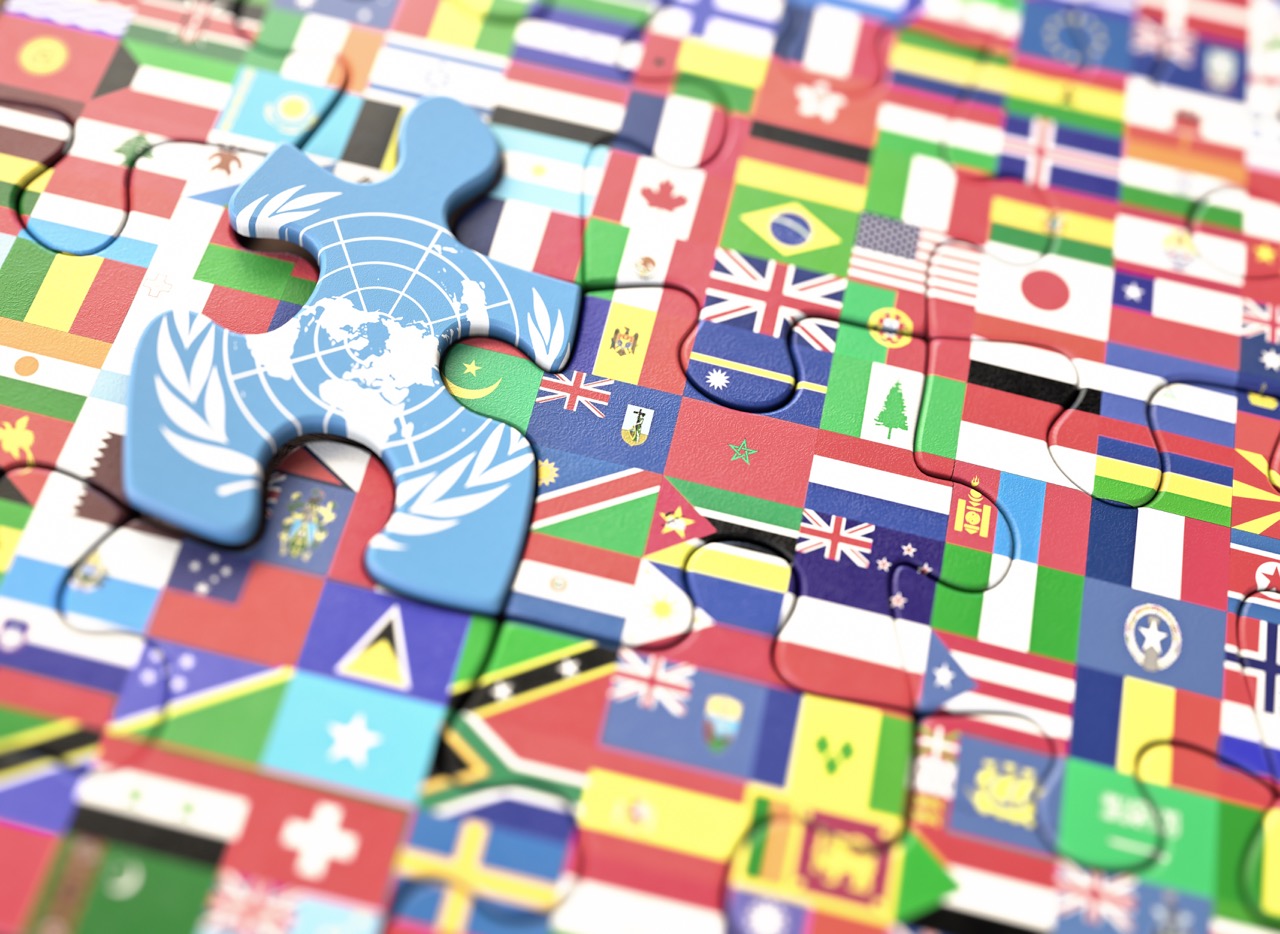
The United Nations remains active, but its ability to influence major conflicts has diminished. The Security Council often appears paralyzed by competing interests among its permanent members. International organizations that once commanded broad legitimacy now face skepticism from governments and citizens alike.
Even diplomacy itself seems to be losing ground.
Political leaders increasingly communicate through social media, public statements and domestic political messaging rather than quiet negotiation. Public confrontation often generates more attention than compromise. In many countries, politicians are rewarded for appearing tough rather than appearing pragmatic.
The result is a world where escalation can become easier than de-escalation.
Consider how many major crises are currently unfolding simultaneously. The war in Ukraine continues with no clear end in sight. Tensions around Taiwan remain elevated. Instability in the Middle East periodically threatens to expand into broader regional conflict. Competition between major powers is increasingly extending into technology, trade, energy and even space.
None of these situations automatically leads to catastrophe. But together they create an environment where misunderstandings, miscalculations and accidents become more dangerous.
History offers an important lesson here.
Large conflicts rarely emerge because leaders wake up one morning and decide to start a global crisis. More often, they emerge because systems fail. Communication breaks down. Assumptions prove wrong. Events move faster than decision-makers can control.
The First World War remains one of history’s most powerful examples. Few leaders in Europe actively sought a continent-wide conflict in 1914. Yet a series of alliances, misjudgments and failures of diplomacy transformed a regional crisis into a global disaster.
Today’s world is obviously different. Nuclear weapons create powerful deterrents. Economic interdependence makes conflict more costly. Communication technologies allow leaders to speak instantly.
Yet some of the same risks remain.
In fact, certain aspects of modern life may make crisis management even more difficult. Information moves faster than ever before. Public pressure builds almost instantly. Political leaders often operate under constant scrutiny, making compromise politically risky. Social media can amplify nationalism, misinformation and emotional reactions at precisely the moments when calm judgment is most needed.
Meanwhile, trust between major powers continues to erode.
The United States and China maintain extensive economic ties, yet strategic mistrust is growing. Relations between Russia and the West are at their lowest point in decades. Regional powers increasingly pursue independent agendas rather than relying on broader international frameworks.
This does not mean the world is heading inevitably toward war. Predictions of imminent catastrophe are usually wrong.
But it does suggest that the international system is becoming less resilient.
A resilient system can absorb shocks. It can manage crises. It can survive mistakes. A fragile system struggles to do those things.
That distinction matters because the greatest threats of the twenty-first century are unlikely to respect national borders. Climate change, cyberattacks, pandemics, artificial intelligence, migration pressures and economic instability are challenges that no country can solve alone.
They require cooperation even among competitors.
That may be the paradox of our time. As global challenges become more interconnected, the political foundations necessary for international cooperation appear to be weakening.
The solution is not naive optimism. The world will always contain rivalries, competing interests and geopolitical competition. Great powers will continue to pursue their own objectives. That is the nature of international politics.
But competition does not eliminate the need for communication.
The most successful periods of modern history were not those without rivalry. They were those in which rivals maintained enough dialogue to prevent competition from becoming catastrophe.
The question facing today’s leaders is whether they can rebuild some of those habits before the next major crisis arrives.
Because the real danger is not simply that countries disagree.
The real danger is that the systems designed to manage those disagreements are becoming weaker precisely when the world needs them most.