The United States has rejected Sudan’s internal review of chemical weapons allegations and is pressing for independent international verification through the Organisation for the Prohibition of Chemical Weapons.
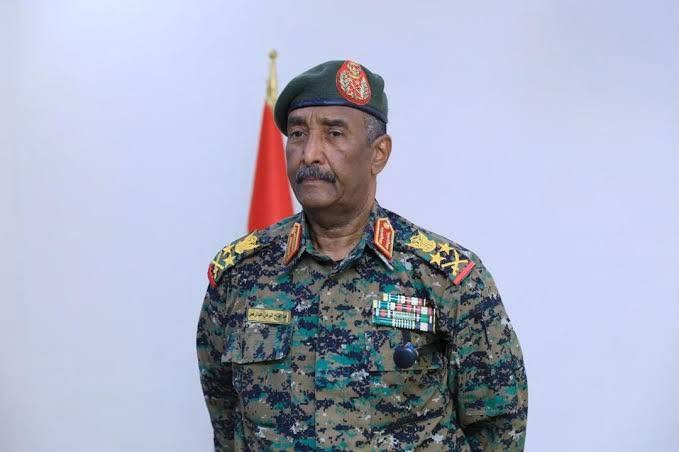
Washington says Sudan’s army-aligned government used chemical weapons in 2024 during the war between the Sudanese Armed Forces and the Rapid Support Forces. Sudan denies the allegation and has described the U.S. accusations as false.
The U.S. first announced sanctions in May 2025 after formally determining that the Sudanese government had used chemical weapons. Those measures included limits on U.S. exports and government credit.
Washington has now moved to a second round of sanctions, saying Sudan has failed to take the steps required to return to compliance with the Chemical Weapons Convention. The new measures include wider export restrictions, U.S. opposition to loans and financial assistance from international financial institutions, and additional financial and aviation-related limits.
U.S. officials have not publicly released the full evidence or specified the exact locations and timing of the alleged attacks. Reuters reported that the suspected agent appeared to be chlorine gas, citing earlier reporting by The New York Times.
Open-source investigations have pointed to possible chlorine use near the Garri military base and the al-Jaili oil refinery north of Khartoum in September 2024. Human Rights Watch said France 24’s Observers unit geolocated photos and videos from the area, showing chlorine containers near craters and a yellow-green cloud. HRW said the material may corroborate U.S. allegations, while noting that independent verification remains essential.
The U.S. has said Sudan’s national technical committee is not enough to address the claims. In statements at the OPCW, Washington said domestic mechanisms cannot replace treaty compliance, full cooperation with the chemical weapons watchdog and safe access for verification.
The chemical weapons dispute adds another layer to Sudan’s war, which began in April 2023 and has created one of the world’s worst humanitarian crises.