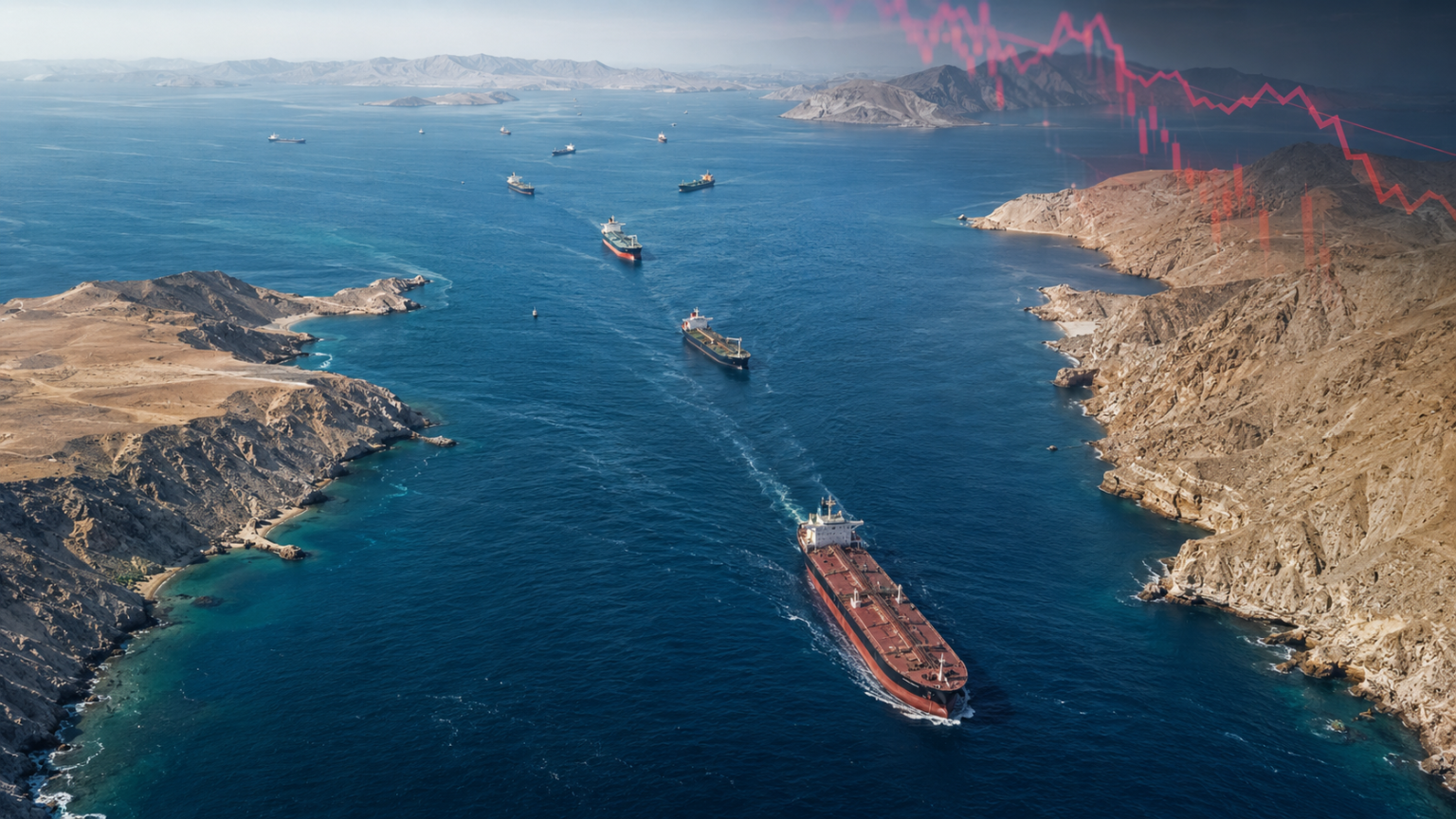
Traffic through the Strait of Hormuz has dropped sharply after renewed fighting between the United States and Iran, putting fresh strain on one of the world’s most important energy corridors.
Lloyd’s List Intelligence said no large vessel above 10,000 deadweight tonnes had crossed the US-coordinated route while broadcasting its location since July 7. The maritime data company said traceable movement through the Oman-hugging lane had “effectively grinding to a halt,” while at least two ships were believed to have crossed without public tracking signals, Al Jazeera reported.
The slowdown marks a sharp change from the start of the week. Maritime intelligence platform Windward said only five vessels were tracked crossing the strait on Wednesday and early Thursday, down from 45 transits on Monday.
Before the war began in late February, roughly 130 vessels crossed the strait each day, according to the figures cited in the report. The waterway connects Gulf energy exporters to global markets, making any disruption visible far beyond the region.
The United Kingdom Maritime Trade Operations said its latest threat assessment showed shipping lines were taking a “cautious posture” in an “elevated threat environment.”
The fall in traffic came after Iran said explosions hit southern areas, following US strikes on Iranian targets earlier in the week.
Oil prices held relatively steady on Friday, even as shipping slowed. Brent crude was at $76.58 a barrel at 05:00 GMT, nearly unchanged from Thursday’s settlement price.