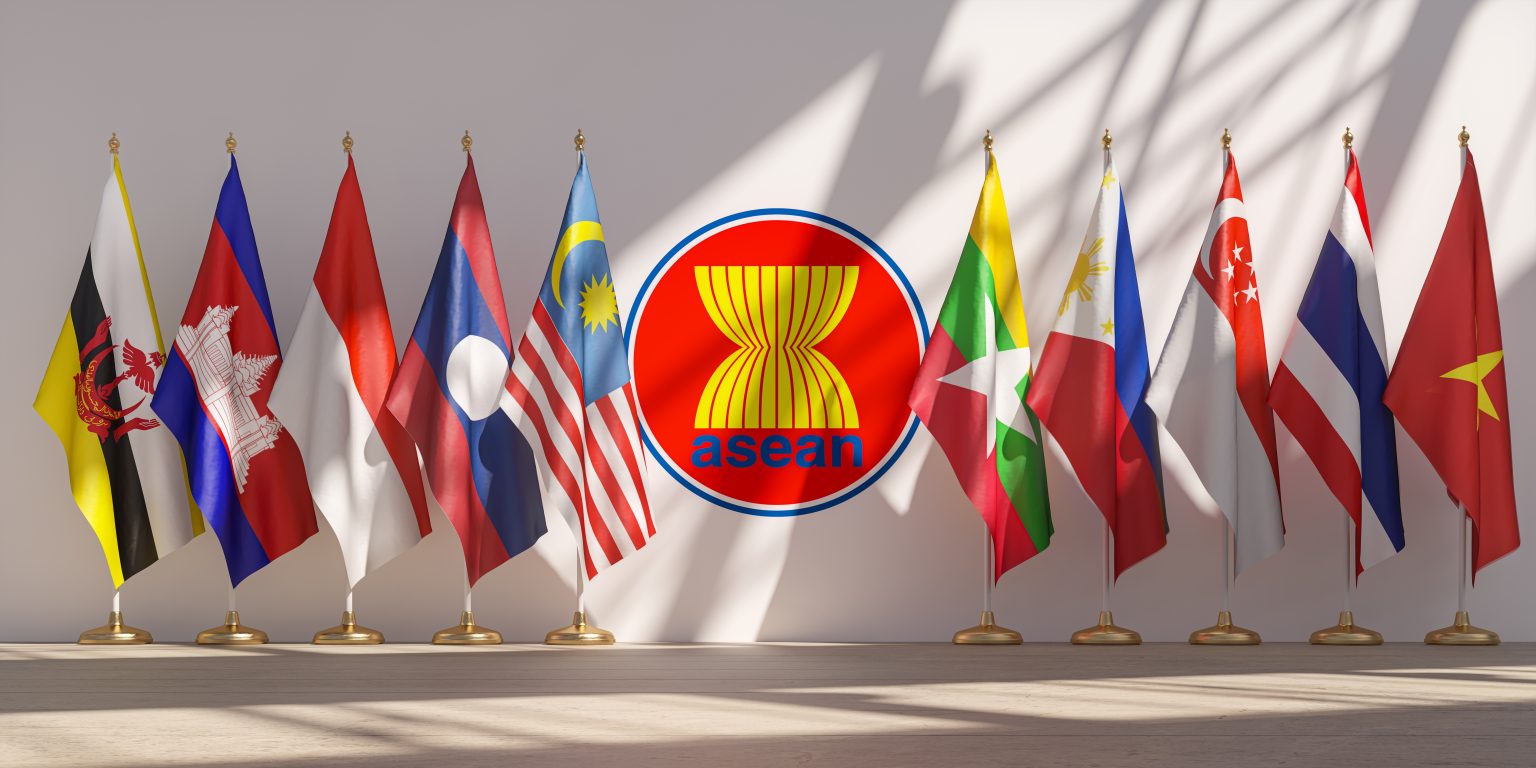
Foreign ministers from the 11-member Association of Southeast Asian Nations (ASEAN) and global partner nations gathered in Manila this week under the heavy shadow of the expanding U.S.-Iran conflict. Following a closed-door session, ASEAN ministers issued a joint statement expressing “serious concern” over Middle East hostilities, warning that the crisis undermines diplomatic mediation and threatens energy security through the vital Strait of Hormuz. As a major oil-importing bloc with a combined economy of 3.8 trillion dollars, ASEAN is seeking to fast-track a regional oil-sharing mechanism to mitigate global supply shocks exacerbated by recent Houthi blockade declarations against Saudi Arabia.
Beyond Middle East developments, the summit faces pressing regional crises, including the ongoing civil war in Myanmar and heightened disputes in the South China Sea. Fresh friction erupted between Manila and Beijing after Philippine officials accused Chinese Coast Guard personnel of assaulting a Philippine navy officer near Second Thomas Shoal. U.S. Secretary of State Marco Rubio, arriving in Manila ahead of potential sideline talks with Chinese Foreign Minister Wang Yi, reaffirmed Washington’s commitment to regional freedom of navigation and warned against any power using commerce as a geopolitical weapon.