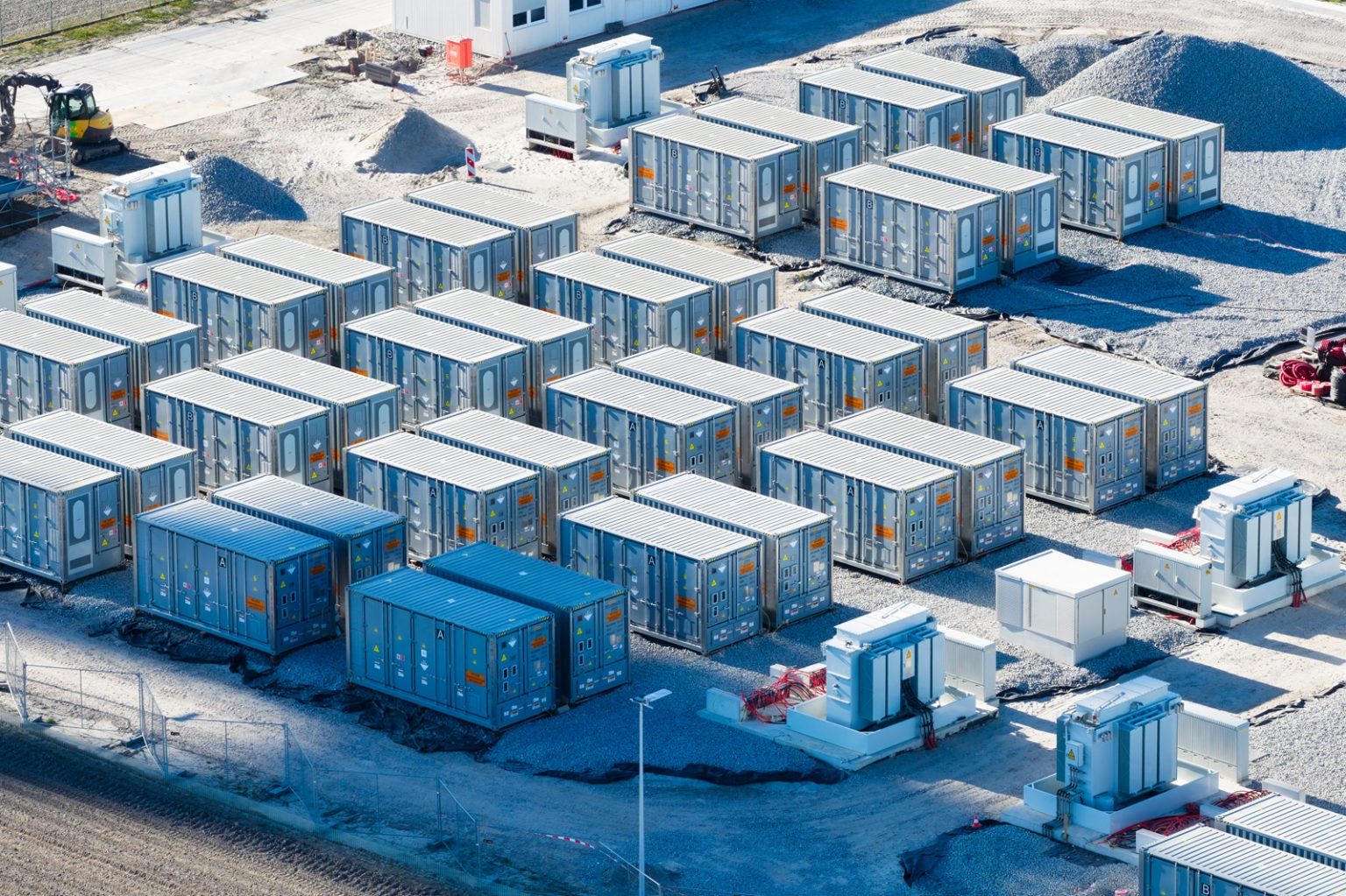
The European Commission has announced the EU’s first tripartite agreement on energy storage, bringing together member states, storage developers, renewable energy companies, industrial power users and financial institutions to speed up the rollout of storage capacity across Europe.
The agreement is meant to address one of the biggest gaps in Europe’s energy transition: the bloc is producing more renewable electricity, but still lacks enough storage to keep surplus wind and solar power for when it is needed most. Euronews reported that the EU currently has around 55 GW of storage capacity but needs about 200 GW by 2030, meaning capacity must more than triple.
Under the deal, 22 EU member states committed to support between 30 GW and 35 GW of new energy storage capacity over the next two years. The Commission says faster deployment of storage should make the electricity system more flexible, improve security of supply and help reduce pressure from high and volatile energy prices.
The agreement also sets out responsibilities for industry and governments. Storage and renewable energy developers will provide yearly estimates of new projects, while energy-intensive industries will give clearer information about when and how much electricity they use. Member states pledged to remove barriers slowing storage projects, support cost-reflective network tariffs and, where needed, provide financial support in line with EU state aid rules.
Financial institutions will work with the European Investment Bank and national or regional banks to make storage projects more attractive to investors. The Commission will also help member states design funding schemes, explore support through the Innovation Fund and update network rules to encourage storage deployment.
Brussels argues that storage is becoming essential as Europe expands wind and solar power while trying to reduce dependence on volatile fossil fuel markets. Without more storage, clean electricity risks being wasted during periods of high production, while consumers and businesses remain exposed to price spikes when demand rises.
The Commission will coordinate implementation of the agreement and track progress every year until 2028.