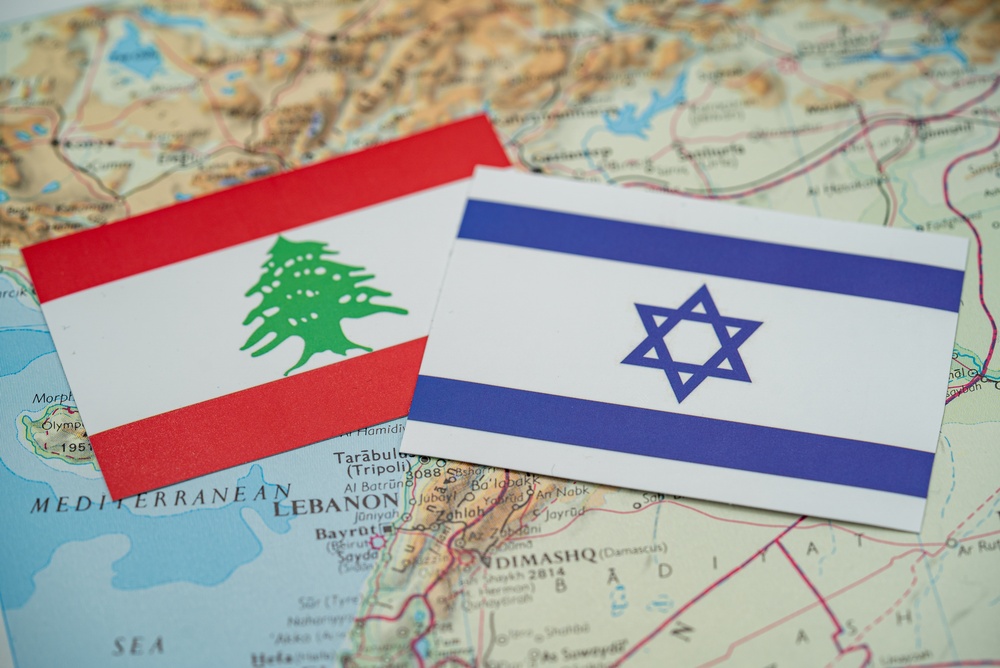
Hezbollah leader Naim Qassem rejected a US-brokered security framework between Lebanon and Israel on Saturday, a day after the agreement was signed in Washington and welcomed by Israeli Prime Minister Benjamin Netanyahu.
The framework, signed by Lebanon, Israel and the United States on Friday, is aimed at moving the two neighbours toward ending the conflict. It provides for a phased Israeli withdrawal from parts of southern Lebanon alongside the deployment of the Lebanese army, while allowing Israeli forces to remain in an expanded security zone for now.
Netanyahu called the agreement a “historic deal” for Israel and said it was “a blow to Iran and Hezbollah.” He said the United States and Lebanon had recognised Israel’s right to maintain a security zone in Lebanon for as long as Israel considers it necessary.
Israeli Defence Minister Israel Katz said Israeli troops would stay in southern Lebanon as long as Hezbollah remained armed. He said there would be no withdrawal while Hezbollah had not been disarmed across Lebanon.
Qassem dismissed the agreement as “null and void,” saying it undermined Lebanese sovereignty and linked Israel’s withdrawal to Hezbollah’s disarmament. He said the group would continue what it calls armed resistance and argued that an earlier Iran-US memorandum should be used as the basis for ending the conflict.
Lebanese President Joseph Aoun described the agreement as a first step toward restoring Lebanon’s sovereignty. But opposition to the deal also came from Lebanon’s Amal movement, which called it unbalanced, and from Israel’s far-right National Security Minister Itamar Ben Gvir, who said Lebanon could not be trusted to disarm Hezbollah.
Tensions continued on Saturday when Lebanon’s state news agency reported an Israeli drone strike in Nabatieh al-Fawqa, outside the security zone shown on an Israeli map. The Israeli military confirmed the strike and said it targeted a person who posed a threat to its forces.
More than a million Lebanese have been displaced by the conflict, which has run alongside the wider regional war.