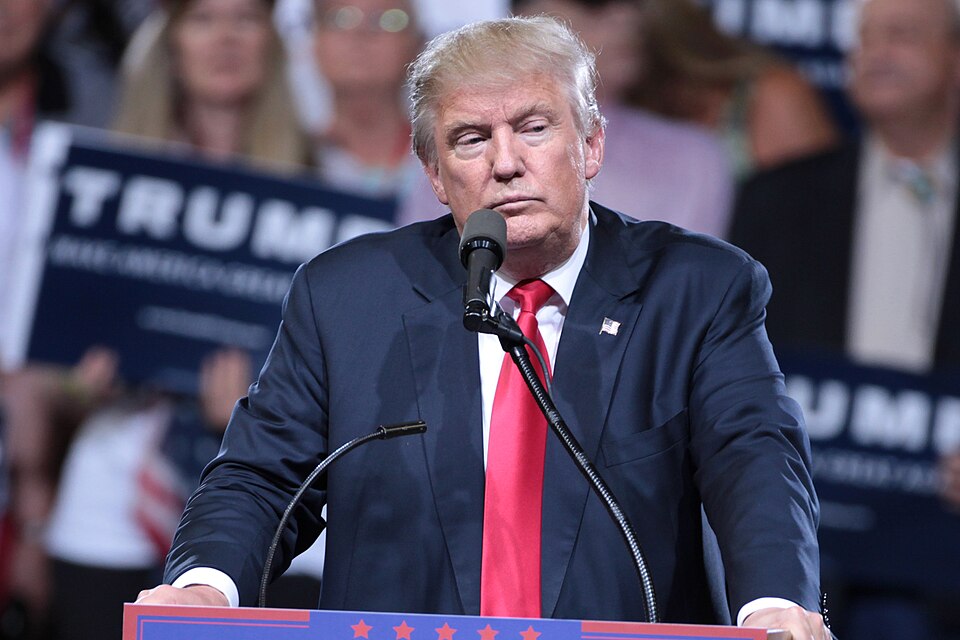
President Donald Trump’s effort to change how Americans vote before the midterm elections has run into a string of legal and political obstacles, with courts blocking parts of his agenda and Republican senators declining to move as quickly as he wants.
The fight comes with general elections four months away and states preparing to send mail ballots to military and overseas voters by mid-September. That leaves election officials little time to adjust if federal rules, court orders or state procedures change before voting begins.
Trump has pressed for tighter citizenship checks, proof-of-citizenship requirements for voter registration, limits on mail voting and changes to voting technology. At a stop in Pennsylvania last week, he told supporters: “We can never let elections get rigged again.”
Courts delivered several setbacks to the administration last week. One federal judge blocked the use of a Department of Homeland Security database to check voter eligibility, finding that the approach violated privacy laws and had wrongly affected some citizens’ registrations.
The White House said the president wants election rolls that are “totally accurate and up-to-date,” while DHS has pushed states to carry out citizenship checks and phase out some electronic systems.
Supporters of the tighter rules argue that citizenship checks, faster roll updates and stricter ballot deadlines would improve confidence in results. Critics argue the administration is trying to take power away from states, which have primary authority over elections under the Constitution.
The Senate has also slowed Trump’s push. GOP senators have not agreed to change filibuster rules to pass voting legislation by simple majority, despite pressure from the president.
The Supreme Court may still weigh in on mail-ballot deadlines, while states and local election offices face the practical task of training workers, redesigning forms and explaining any changes to voters before ballots go out.