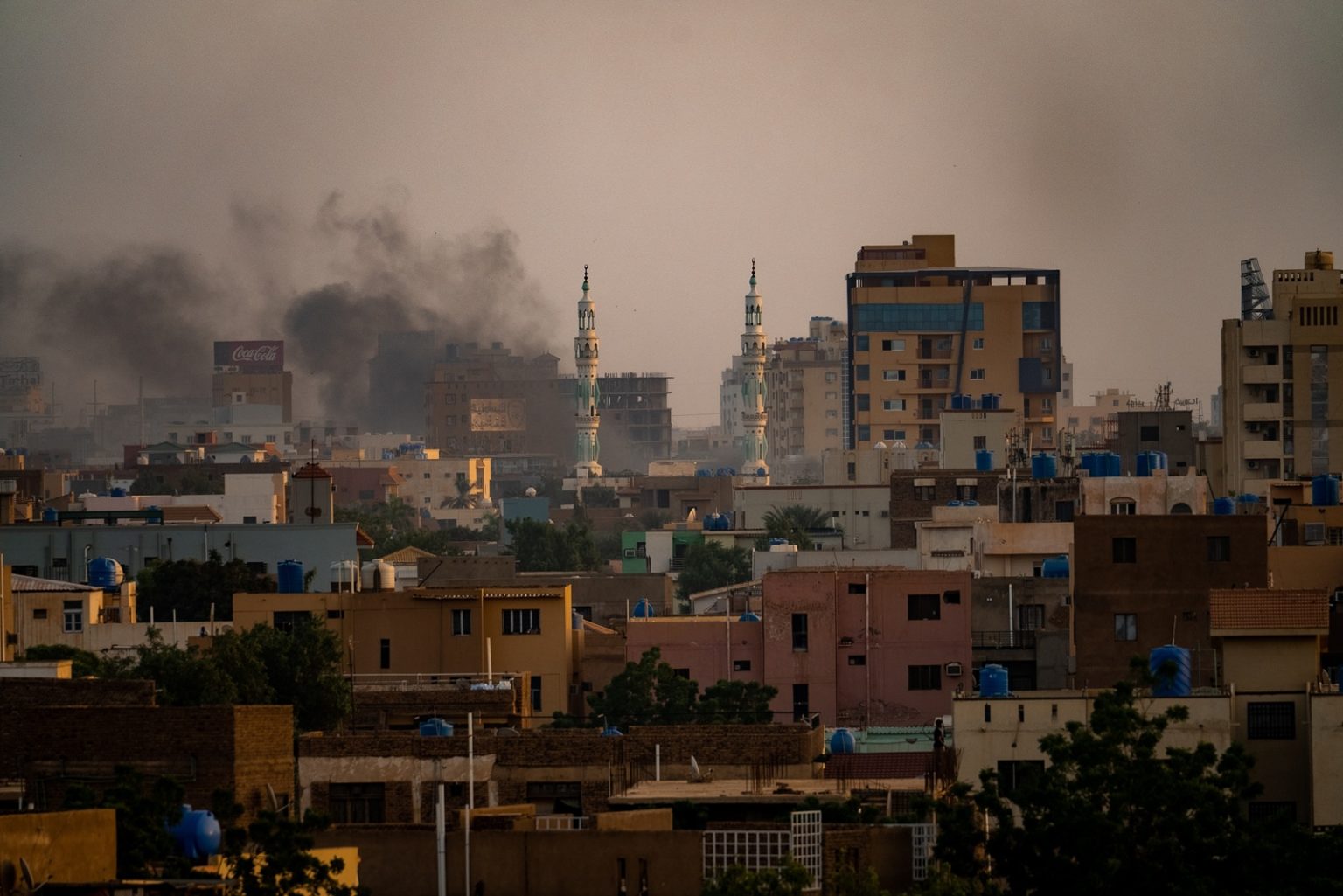
Sudan’s army-led government has conditioned any broad acceptance of a U.S. peace proposal on the full withdrawal of the paramilitary Rapid Support Forces from cities it has occupied, according to documents seen by Reuters.
The documents, whose contents were confirmed to Reuters by senior Sudanese officials, show that the U.S. proposal called for both sides to agree to an immediate 90-day humanitarian truce. The pause would allow negotiations on a permanent ceasefire and a civilian-led transition to elections.
The proposal also called for a UN-led mechanism to support limited RSF withdrawals, with priority given to North Darfur and North Kordofan. The RSF recently captured al-Fashir in North Darfur, while North Kordofan has been targeted by RSF drone strikes.
According to the documents seen by Reuters, the army-led Sudanese government accepted most of the proposal but objected to the idea of only limited withdrawals. It said the plan must include the withdrawal of the RSF “from all the cities it has occupied since May 11, 2023.”
The demand for a broad RSF withdrawal has repeatedly blocked previous efforts to end Sudan’s civil war.
The U.S. proposal also called for a unified national army, arrangements for disarmament, demobilisation and reintegration, and a Sudanese civilian-led political process excluding the Muslim Brotherhood or militia elements that committed atrocities.
U.S. Senior Adviser for Arab and African Affairs Massad Boulos initially told the UN Security Council that Sudan had rejected the proposal. He later said in a social media post that he was “extremely pleased” to hear that army chief General Abdel Fattah al-Burhan had apparently accepted, rather than rejected, the latest peace proposal.
A senior RSF official told Reuters that the force had received and welcomed the latest proposal and submitted a written response, but gave no further details. Reuters noted that the RSF has previously welcomed peace offers while continuing attacks.
The war broke out in April 2023 after the Sudanese army and RSF split over plans to integrate their forces and move toward civilian-led democracy. The conflict has displaced millions, killed hundreds of thousands by multiple estimates, and spread hunger and disease across the country.